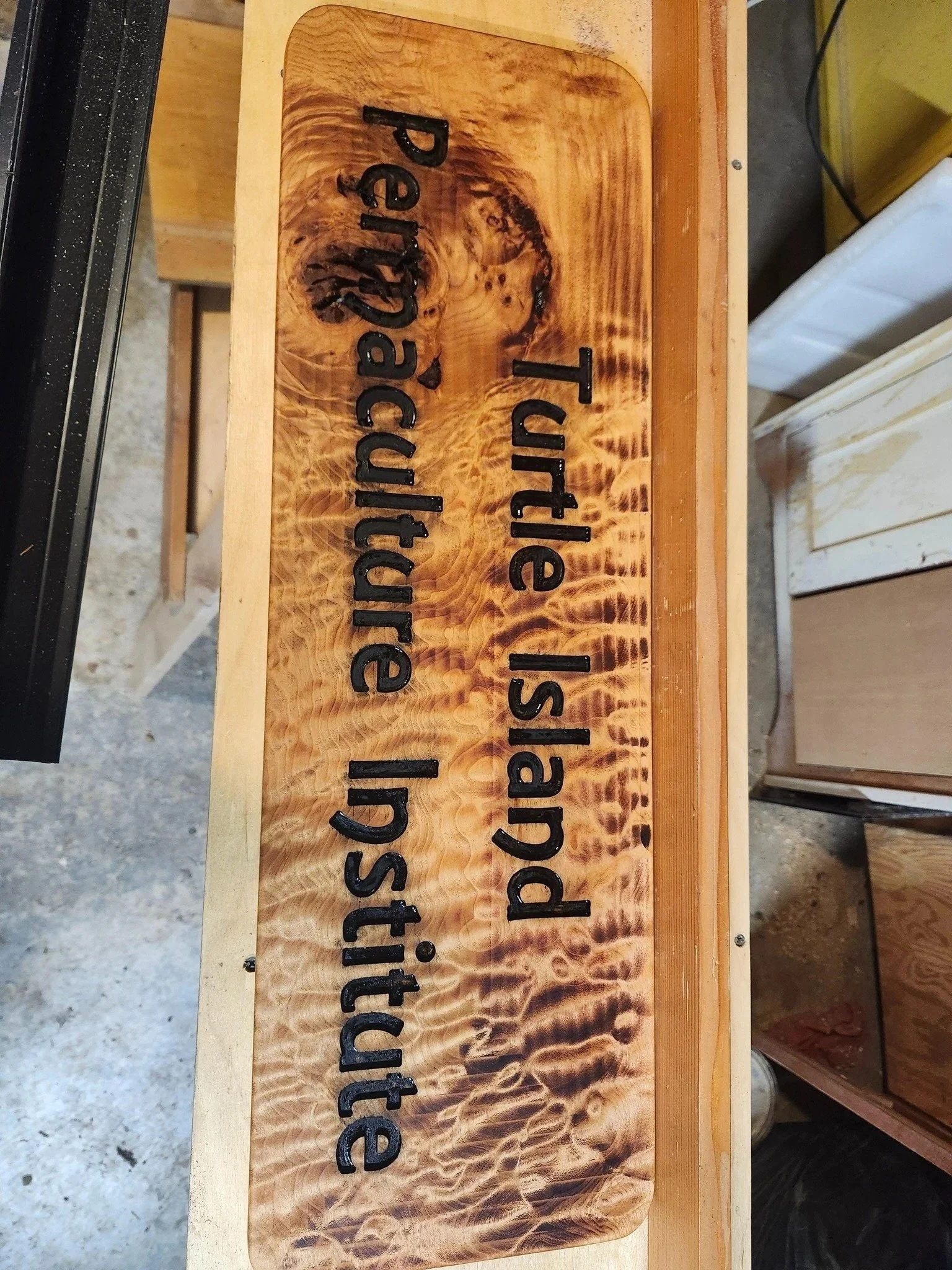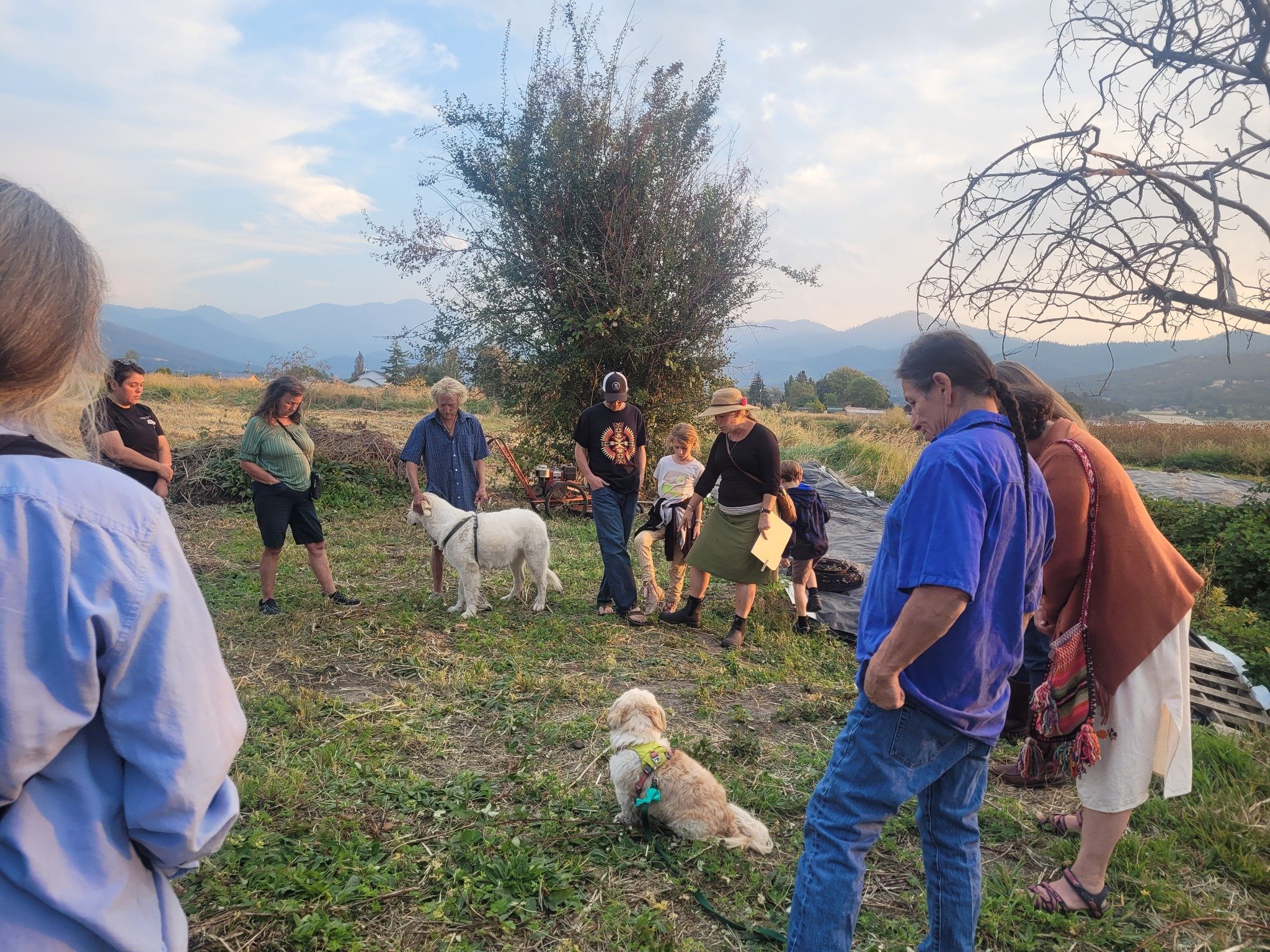
Meet Turtle Island Permaculture Institute (TIPI)
What is TIPI?
Turtle Island Permaculture Institute (TIPI) is an emerging program of Red Earth Descendants (R.E.D.), rooted in the shared vision of living in right relationship with the land, our community, and ourselves. Guided by Indigenous knowledge and values, TIPI supports the restoration of balance through land-based learning and practice.
Why it Matters?
TIPI is mentored and guided by Indigenous teachings, including Traditional Ecological Knowledge (TEK). Under the leadership of Dan Wahpepah, Anishinabe and founder of R.E.D., participants learn and practice Indigenous permaculture, deepen relationships with the land and water, and build kinship with our elder relatives, plants, animals, and natural systems that sustain life.
What We Do?
Our goal is to move away from extractive systems and toward a natural, community-centered way of living. Through Indigenous permaculture, we support traditional foods by growing, harvesting, and sharing resources together.
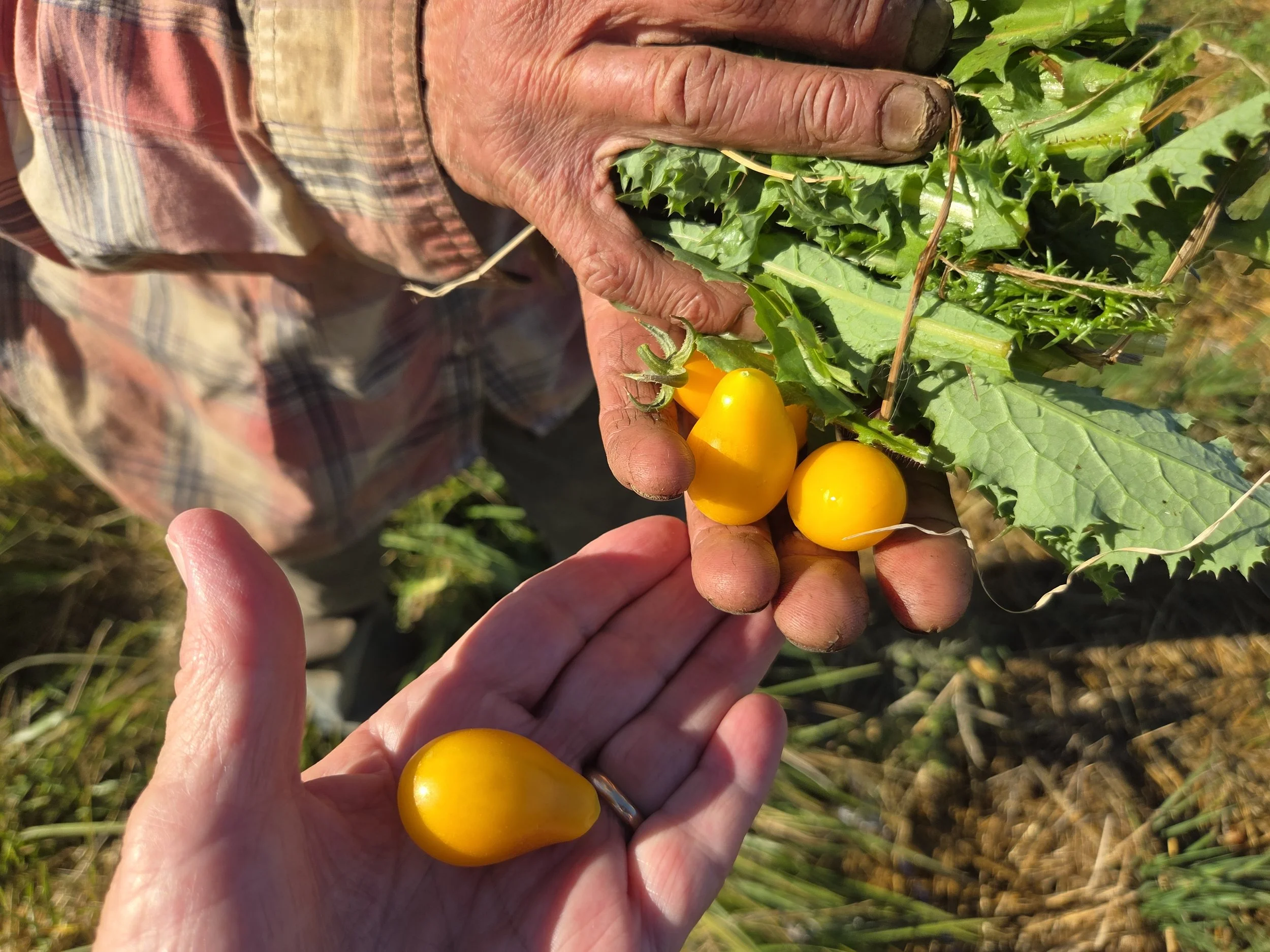
This includes community gardening, wild food gathering, seed saving, and building systems of food sovereignty. As we grow, each phase of this work becomes a shared resource where participants contribute, receive, and take part in harvests, giveaways, and the creation of community food and seed banks.
The TIPI Approach
-
𓆃
Building Circles of Resilience
TIPI works alongside local collaborators who share similar goals, helping to create interconnected circles of resilience throughout the community. Serving Southern Oregon, primarily Jackson and Josephine Counties. We are growing a network of relationships rooted in mutual support, sustainability, and shared purpose.
-
⁀➴
Healing Through Re-Indigenization
We believe that when our own needs are met and we are living in a healthy way, we are better able to support others. This strengthens human connections with one another and with our elder relatives: the land, water, plants, and all living things. Through re-Indigenization, we work toward healing not only ourselves, but also the relatives that have been harmed through colonization.
Turtle Island Permaculture Design Courses~
Thank you for your interest in Turtle Island Permaculture Institute (TIPI) Indigenous Permaculture Design Courses (PDCs), workshops and classes. We are currently designing our PDCs.
This educational opportunity is designed to support learning through Indigenous teachings, cultural knowledge, community connection, and relationship with the land. Participants will have the opportunity to engage with elders, teachers, and community members while exploring traditional values, practices, and ways of living.
At this time, we are accepting applications from individuals who are interested in participating in offerings. Selected applicants will be contacted with additional program details, including dates, location, and tuition information.
Please complete the application below and tell us a little about yourself and your interest in participating.